

 Image 1 of 2
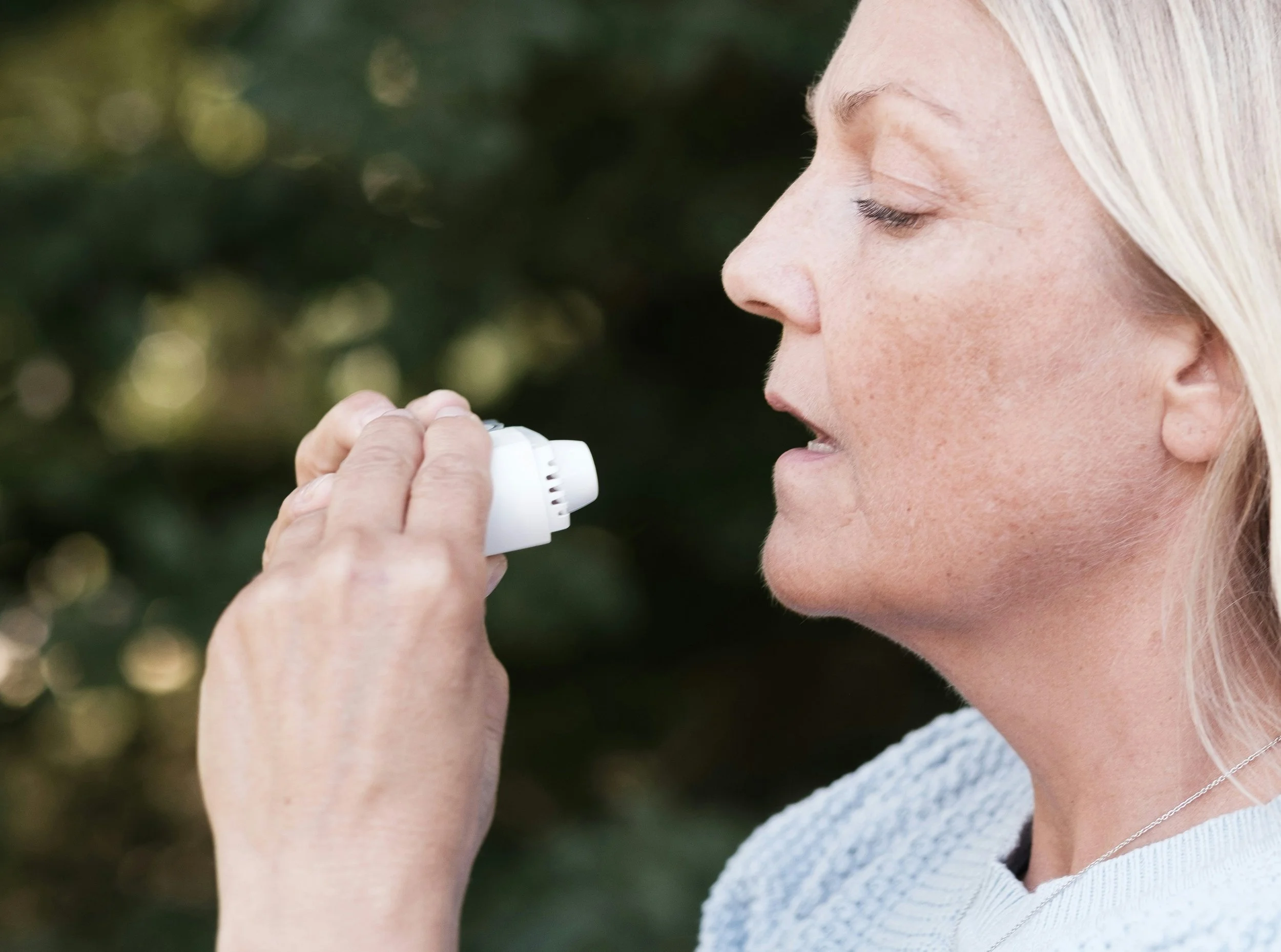 Image 2 of 2
Initial Assessment $300, 90mins
Living with a long-term condition changes what exercise means. It stops being about getting fit and starts being about keeping your independence, your energy, and your ability to do the things that make up an ordinary day.
The problem is that generic exercise advice does not account for your condition, your medications, or how your body responds to effort on a bad day. Most people are told to exercise and left to work out the rest alone.
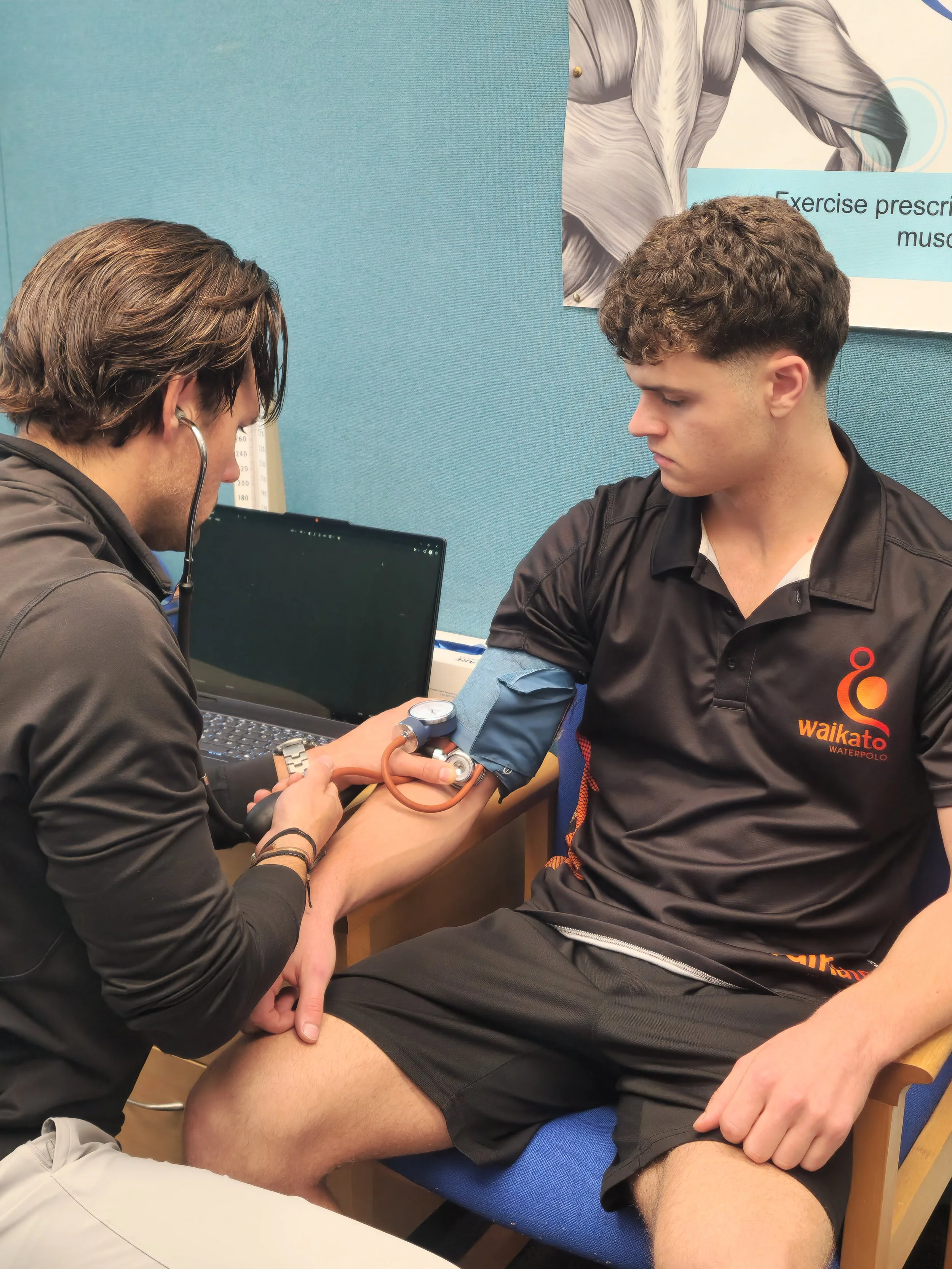
Clinical exercise physiology is the part that is usually missing. Your programme is prescribed from measurement, not guesswork, and it is adjusted as your condition changes.
Conditions I work with
Respiratory: COPD, asthma, and other chronic lung conditions
Metabolic: type 2 diabetes, insulin resistance, metabolic syndrome
Neurological: stroke recovery, multiple sclerosis, Parkinson's disease
Fatigue conditions: chronic fatigue syndrome, long COVID, cancer-related fatigue
Musculoskeletal: osteoarthritis, osteoporosis, persistent pain
Cardiovascular risk: high blood pressure, high cholesterol, and prevention after a cardiac scare
Exercise is also well supported as part of the management of depression and anxiety, alongside the care you already receive rather than instead of it.
Already had a cardiac event, procedure or surgery? See Cardiac Rehabilitation instead.
Initial Assessment $300, 90mins
Living with a long-term condition changes what exercise means. It stops being about getting fit and starts being about keeping your independence, your energy, and your ability to do the things that make up an ordinary day.
The problem is that generic exercise advice does not account for your condition, your medications, or how your body responds to effort on a bad day. Most people are told to exercise and left to work out the rest alone.
Clinical exercise physiology is the part that is usually missing. Your programme is prescribed from measurement, not guesswork, and it is adjusted as your condition changes.
Conditions I work with
Respiratory: COPD, asthma, and other chronic lung conditions
Metabolic: type 2 diabetes, insulin resistance, metabolic syndrome
Neurological: stroke recovery, multiple sclerosis, Parkinson's disease
Fatigue conditions: chronic fatigue syndrome, long COVID, cancer-related fatigue
Musculoskeletal: osteoarthritis, osteoporosis, persistent pain
Cardiovascular risk: high blood pressure, high cholesterol, and prevention after a cardiac scare
Exercise is also well supported as part of the management of depression and anxiety, alongside the care you already receive rather than instead of it.
Already had a cardiac event, procedure or surgery? See Cardiac Rehabilitation instead.